

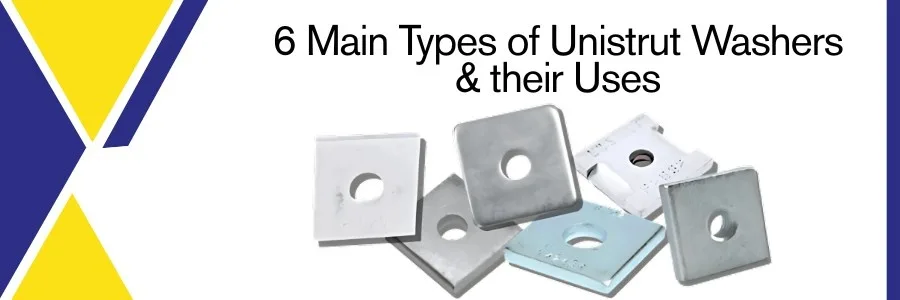
Unistrut systems are significant in developing flexible and long lasting structures for numerous applications, ranging from electrical to plumbing installations. Though most attention tend to be directed towards the frames themselves, washers have a vital, yet frequently underestimated, function in the guarantee of stability and durability of Unistrut configuration. Washers are used to share loads, safeguard surfaces and keep fasteners tight over time. Selecting the proper washer type is paramount to a successful installation. In this blog we’ll discuss the 6 main types of Unistrut Washers and their particular applications to assist you in making a quality decision for your next project.
Why Are Washers Important in Unistrut Setups?
Washers might appear to be a small part of the Unistrut systems, but they serve several significant functions:
Prevents Fastener Loosening
Another major reason washers are applied is to keep fasteners from coming loose with vibration or motion.The vibrations over time can loosen bolts or screws and allow the installation to become compromised. Washers provide pressure distribution and keep the fastener snugly in place.
Enhances Durability in Heavy-Duty Applications
In heavy-duty applications, such as industrial frameworks or high-stress installations, washers add a layer of resilience. By distributing the load more evenly, washers help prevent localized stress that could cause parts of the structure to wear out prematurely.
Protects Surfaces from Damage
Unistrut configurations tend to require close fits among metal components and washers serve as a buffer between the fastener and the surface. This avoids damage, including scratching or indentations that might compromise the strength of the metal and the function of the system.
Types of Unistrut Washers and Their Uses
There are several types of Unistrut washers each of which is intended for a particular use and application. Below is a description of the six most popular types:
Plain Washers

Plain wash is the simplest form commonly utilized in general use. It is flat, round washer that are intended to spread the load of a fastener evenly. By expanding the bearing surface, they prevent the fastener from penetrating the material it is holding. Plain washers are ideal for general, low to moderate load use.
Spring Washers

Spring washers, or wave washers, are used to supply tension and resistance. Spring washers are curved and thus capable of bending and their shape makes them particularly suited for use where vibration would result in loosening of fasteners.Spring washers supply constant pressure and are used in areas subject to repeated movement or vibration.
Locking Washers

Locking washers use vibration and movement to resist bolt and nut loosening.Their unique design has teeth or serrations that bite into the surface of the material being fastened in order to create a frictional resistance that resists loosening, making locking washers high stress and heavy-duty applications.
Flat Washers

Flat washers are similar to plain washers but are typically used for a wider range of purposes, including providing a smooth bearing surface to reduce friction. These washers can be used in applications where there’s a need to improve the load distribution, protect the surface or create a tighter seal around a fastener.
Square Washers (Square Plate Washer)

Square washers, also known as square plate washers, are designed to offer greater surface contact compared to round washers. These washers are often used in larger or heavier-duty applications where a more substantial bearing surface is required. Square washers are especially helpful when working with square or rectangular framing and plates, providing stability and load distribution in such configurations.
Channel Washers

Channel washers are specifically designed for use with Unistrut channel systems. These washers fit into the Unistrut channel, helping to secure fasteners and prevent movement. Channel washers often have a built-in flange or design that allows for a tighter, more stable fit within the channel, offering improved load distribution and resistance to shifting.
Mistakes to Avoid When Selecting Unistrut Washers
When choosing Unistrut washers, avoid these common mistakes:
- Choosing the wrong material: Make sure the material of the washer matches the environment. For example, use corrosion-resistant washers in outdoor or marine environments to prevent rust.
- Selecting the wrong size: Always choose washers that match the size of the fastener. An oversized or undersized washer won’t perform as intended.
- Ignoring load requirements: Select the appropriate washer based on the load and stress requirements of your installation. Plain washers might not be sufficient for high-stress applications.
- Underestimating vibration: If your setup involves frequent movement or vibrations, opting for spring or locking washers is crucial to prevent loosening.
Conclusion
Choosing the right type of Unistrut washer is key to ensuring your installation remains secure, durable, and long-lasting. From plain washers that offer basic load distribution to locking washers that prevent fastener loosening, each type serves a distinct purpose. Always keep in mind the specific needs of your project, whether it’s dealing with vibrations, heavy loads, or surface protection. By selecting the correct washer, you can avoid costly mistakes and ensure the success of your Unistrut system for years to come.

Vikram Rao is an experienced Unistrut Product Specialist, who has worked in this field for more than 20+ years. His metal frame system and support structure knowledge has been quite helpful in creating creative ideas for building projects all around.
See Full Bio ›