

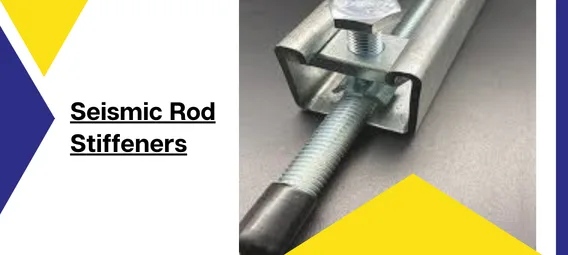
Structural engineering deals with the safety and soundness of structures like buildings and bridges more especially in regions where earthquakes are prone to occur.One of the several factors that improve a building’s resistance to seismic forces is the seismic rod stiffener. These particular components play a very vital role in channel systems by adding stability and minimizing damage during seismic events. Knowledge about the role and advantages of Seismic Rod Stiffeners will be beneficial for engineers who work in designing earthquake-resistant structures.
What Are Seismic Rod Stiffeners?
Seismic rod stiffeners are metal components that belong to the category of structural systems that rods and various load-bearing elements. The main purpose is to support rod systems during seismic activities so that the structural system can resist the dynamic forces produced during an earthquake.
Rod stiffeners are generally placed at crucial landmarks along a rod, which would be at junctions or locations having high movement potential.The primary purpose of these stiffeners is to prevent rods from buckling or deviating sideways, particularly under the lateral forces that occur during seismic activities. In the absence of such stiffeners, rods would become unstable and lead to the failure of structure. By effectively distributing stress and stabilizing rods, seismic stiffeners assist in maintaining the integrity of the entire structure.
How Seismic Rod Stiffeners Work
The operation of seismic rod stiffeners is based on their ability to counteract the axial and lateral forces exerted on a building’s rod systems during an earthquake. These stiffeners prevent the deformation and lateral sway of rods by adding extra support, preventing excessive bending or buckling. They ensure that rods can retain their form and function, keeping structural elements in place.
Rod stiffeners work by providing a reinforcing mechanism that distributes force more evenly across the system, enhancing the resistance to seismic vibrations. During an earthquake, seismic forces apply tension and compression to the entire building. Stiffeners take and deflect these forces, lessening the force applied to individual rods and preventing them from cracking due to pressure.
Features & Material Finish
Seismic rod stiffeners are typically fabricated from high-strength steel alloys, which offer durability and resistance to the extreme forces experienced during an earthquake. The materials usually resist corrosion to allow them to maintain their long-term reliability and efficiency even when they are used under adverse environmental conditions. Popular seismic rod stiffeners material finishes consist of galvanized steel, stainless steel, as well as powder-coated finishes that offer resistance against wear and rust.
The seismic rod stiffeners also consider the weight, ease of installation and the potential to fit well with other structural elements. They are frequently designed to the particular project requirements so that engineers can choose the correct size, shape, and finish according to the requirements of the project and seismic hazard parameters.
Seismic Rod Stiffeners Uses in Channel Systems
One of the most prevalent uses of seismic rod stiffeners is in channel systems, especially the design of seismic bracing and support systems for mechanical, electrical, and plumbing (MEP) equipment. Such systems may depend on rods to hold pipes, heavy machinery and ductwork.At the time of an earthquake, seismic forces are likely to flex or move rods, weakening the stability of the system.
By adding seismic rod stiffeners, engineers make sure that the supporting rods and channels are rigid and stable.The stiffeners offer reinforcement at essential points of connection so that the rods can resist dynamic forces produced by an earthquake better.This leads to less movement, less vibration and overall greater stability of the MEP systems.
In addition to their use in channel systems, seismic rod stiffeners can be found in a variety of other structural applications, such as in the construction of bridges, high-rise buildings, and other infrastructure projects that are at risk of seismic activity.
Key Benefits of Seismic Rod Stiffeners
Enhanced Seismic Performance:The major advantage of seismic rod stiffeners is their capacity to increase a building’s seismic performance.Through the inhibition of buckling or excessive rod movement stiffeners ensure that the structure is capable of resisting the forces of an earthquake without substantial damage.
Improved Safety: Seismic rod stiffeners are critical to ensure the health and safety of occupants in buildings. They minimize the risk of collapse and other major failures during seismic activity by supporting key structural components.
Cost-Effective Solution: Seismic rod stiffeners are a cost-effective solution to enhancing the earthquake resistance of a building. The stiffeners are inexpensive compared to the cost of repairing or replacing a damaged structure due to an earthquake. The stiffeners also minimize the amount of future extensive fitting required.
Long-Term Durability: Constructed from high-strength materials and corrosion-resistant, seismic rod stiffeners are meant to last for the long term. Their durability guarantees that they will remain effective in supporting the building for its entire lifespan.
Building Code Compliance: Seismic rod stiffeners contribute to the compliance of buildings with the specifications imposed by local building regulations and codes, which are intended to safeguard buildings against earthquake impacts. The parts can assist architects and engineers in maintaining compliance with current seismic safety standards.
Less Downtime: For buildings that need to stay in operation during an earthquake, like hospitals or data centers, seismic rod stiffeners offer an extra measure of protection. By avoiding damage to critical systems, they minimize the risk of prolonged downtime following a seismic event.
Conclusion
At Robexstrut, seismic rod stiffeners play an indispensable role in the design of earthquake-resistant structures. They are vital in ensuring that buildings, infrastructure, and mechanical systems remain stable and intact during seismic events. With their ability to improve structural performance, enhance safety, and reduce the potential for costly damage, seismic rod stiffeners represent an essential component in the field of seismic design. As the importance of earthquake resilience continues to grow, understanding the role of these components will be crucial for engineers working to create safer, more durable structures in earthquake-prone regions.

Vikram Rao is an experienced Unistrut Product Specialist, who has worked in this field for more than 20+ years. His metal frame system and support structure knowledge has been quite helpful in creating creative ideas for building projects all around.
See Full Bio ›